Wondering what daily life in Onondaga County actually feels like? If you are thinking about moving here, it helps to know that this is not a one-note place. You will find a county anchored by Syracuse, shaped by suburbs, and stretched into rural areas with parks, lakes, trails, and farmland. This guide will help you understand the housing mix, commute patterns, weather, and lifestyle so you can decide whether Onondaga County fits what you want. Let’s dive in.
Onondaga County at a Glance
Onondaga County is home to an estimated 469,812 residents and 212,571 housing units across 778.39 square miles of land, according to the U.S. Census QuickFacts for Onondaga County. The county is organized around the City of Syracuse, with 19 towns and 15 villages. Public health materials also note that roughly one-third of county residents live in Syracuse.
That setup gives the county a mixed feel. Instead of one uniform lifestyle, you get an urban core, close-in suburban areas, and more rural parts of the county. County planning and health materials describe a place shaped by strong centers, mobility, greenways, blueways, and agriculture, which helps explain why living here can feel varied from one area to the next.
The Overall Lifestyle Feel
If you like options, Onondaga County offers a lot of them. You can live near the energy and services of Syracuse, choose a more suburban setting with single-family homes, or look toward areas with a quieter and more rural atmosphere. That range is one of the county’s biggest lifestyle advantages.
The county also has a broad age mix. Public data shows 20.5% of residents are under 18 and 19.7% are 65 and older, which points to a community that serves people in many life stages. Whether you are buying your first home, moving up, downsizing, or simply looking for a better fit, the county offers a wide range of living environments.
Housing in Onondaga County
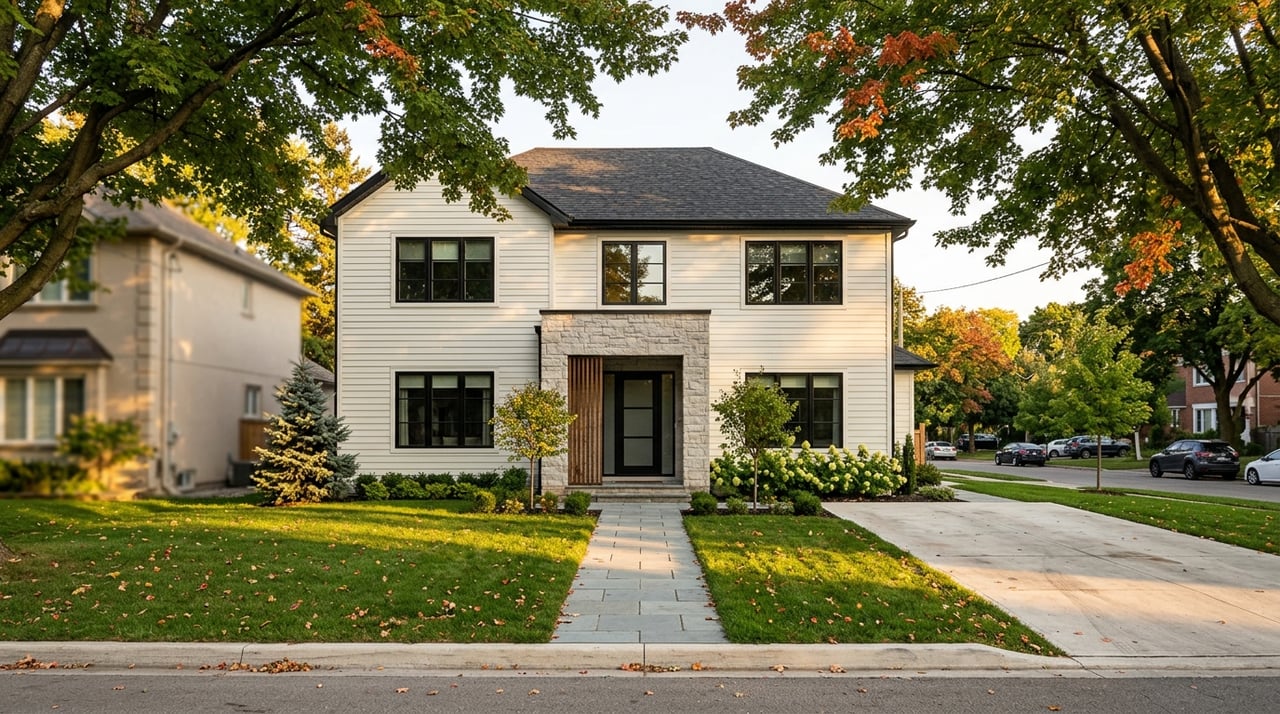
Housing in Onondaga County has long been shaped by suburban single-family development, but that is only part of the picture. According to Plan Onondaga’s housing overview, many suburban areas have traditionally been dominated by detached owner-occupied homes, while newer development in places like Clay, Lysander, Baldwinsville, Camillus, and the Town of Onondaga includes both single-family and multi-family housing.
At the same time, Syracuse has seen apartment and mixed-use growth in areas such as downtown, the Lakefront, and Syracuse University’s South Campus. That means your housing options may look very different depending on what part of the county you focus on. If you want a walkable city-centered feel, your search may look very different than if you want more lot space and a suburban layout.
What the Numbers Show
The county’s homeownership rate is 65.9%, and the median owner-occupied home value is $200,200, based on Census QuickFacts. The same source lists median monthly owner costs at $1,641 with a mortgage and $708 without one. Median gross rent is $1,108.
Those numbers help paint a practical picture, but they do not tell the full story. County planning notes that Onondaga County has historically been considered affordable, yet home prices and rents have been rising as supply has not kept pace with demand. In other words, many buyers still see value here, but preparation and local guidance matter.
Affordability Can Vary
Housing costs do not hit every household the same way. Plan Onondaga reports that nearly 50% of renter households and about 20% of owner households are cost-burdened, with challenges concentrated in the City of Syracuse and also affecting areas outside the city.
For you as a buyer or renter, that is a reminder to look beyond the list price or rent number. Monthly costs, available inventory, and property condition all shape the real affordability picture. A smart move here usually starts with a clear budget and a realistic view of what different parts of the county offer.
County Housing Programs
Onondaga County is also taking steps to support housing development and homeownership. The county’s Onondaga County Housing Initiative Program (O-CHIP) is intended to support new construction countywide, and Community Development also references homeownership and repair programs.
That does not mean every buyer will use a county program, but it does show that housing supply and access are active local priorities. If you are exploring a move, it is helpful to know that the county is not standing still on housing issues.
Commuting and Getting Around
One of the more practical benefits of living in Onondaga County is that commutes are often manageable. The U.S. Census QuickFacts lists a mean travel time to work of 20.2 minutes. For many people, that can support a daily routine that feels a little less rushed.
The county’s location also matters. Public-health materials highlight the intersection of I-90 and I-81 just north of Syracuse, which helps connect the region and supports access across the county. If you drive, that highway network is a major part of daily convenience.
Public Transit Options
For regional transit, Centro provides fixed-route buses, inter-city service, accessible buses, shopper service, paratransit, bicycle racks, and senior transportation. The Centro Transit Hub in downtown Syracuse is the main transfer point, and the William F. Walsh Regional Transportation Center connects local travel with Amtrak, Greyhound, and Adirondack Trailways.
In everyday terms, you will typically find the strongest transit options in Syracuse and nearby areas. Because the county spreads across urban, suburban, and rural settings, a car is still useful for many errands and routines, especially outside the city core.
Weather and Seasonal Living
If you move to Onondaga County, you should expect a real four-season climate. According to NOAA climate normals for Syracuse Hancock International Airport, January average highs and lows are 31.7°F and 16.5°F, while July averages 81.7°F and 62.0°F.
The same NOAA data shows annual precipitation of 39.88 inches and annual snowfall of 127.8 inches. That means winter prep is part of life here. Snow removal, winter driving, and cold-weather routines matter, but so do warm summers and the changing seasons that many residents enjoy.
What That Means Day to Day
Living here usually means planning around winter instead of being surprised by it. You will likely want to think about snow tires, driveway maintenance, outerwear, and how your home handles cold temperatures. Those are normal parts of life in Central New York.
On the other hand, the seasonal cycle also shapes the local lifestyle in a positive way. Summer park visits, fall scenery, and winter recreation all become part of the rhythm of the year.
Parks, Trails, and Outdoor Access
Onondaga County offers more outdoor access than many people expect. Public-health materials describe the county as having lakes and more than 70 state, county, and city parks. That creates a strong connection between residential life and recreation.
The Onondaga County Parks system covers 6,500 acres and includes destinations such as Beaver Lake Nature Center, Highland Forest, Onondaga Lake Park, and the Erie Canalway/Jordan Level Trail. The county describes the system as a major recreational and conservation asset with nature education, sports facilities, beaches, boat launches, and seasonal programming.
For daily life, that means you are not limited to one kind of outdoor experience. Depending on where you live, your weekends might include paved waterfront paths, nature trails, sports fields, or wooded parkland.
Agriculture and Open Space
Another part of living in Onondaga County is the visible presence of agriculture. According to Plan Onondaga’s agriculture overview, about one-third of the county is in agricultural production, with 623 farms generating $356 million in annual direct and indirect food sales.
That matters because agriculture is not just an economic fact here. It also affects the look and feel of the county. Open land, farm operations, and a more rural edge help create the visual contrast that makes the county feel different from many fully built-out metro areas.
Why the County Feels So Varied
The best way to describe living in Onondaga County is this: you get range. County planning frames the region around strong centers, neighborhoods, mobility, greenways, blueways, and agriculture, and that mix shows up in everyday life. You can build a routine that feels more city-based, more suburban, or more tied to open space and rural surroundings.
That flexibility is often what draws people here. Instead of forcing one lifestyle, the county gives you several ways to live depending on your budget, commute, housing goals, and preferred pace.
Is Onondaga County a Good Fit for You?
Onondaga County may be a strong fit if you want a region with housing variety, manageable commute times, four distinct seasons, and access to both city amenities and outdoor recreation. It may also appeal to you if you want choices, since the county includes urban neighborhoods, suburban communities, and rural areas within one larger market.
Like any move, the right fit depends on your priorities. If you are weighing convenience, home style, monthly costs, and day-to-day lifestyle, it helps to look at the county through a local lens instead of treating it as one single market.
If you are thinking about making a move in Central New York, Timothy Perkins can help you compare areas, understand the housing landscape, and make a confident plan that fits your goals.
FAQs
What is the overall lifestyle like in Onondaga County, NY?
- Onondaga County offers a mix of urban, suburban, and rural living, with Syracuse as the county hub and parks, lakes, trails, and farmland shaping daily life.
What are housing options like in Onondaga County, NY?
- Housing options range from traditional suburban single-family homes to multi-family housing and apartments, with newer mixed-use growth in parts of Syracuse.
What is the average commute in Onondaga County, NY?
- The mean travel time to work in Onondaga County is 20.2 minutes, according to U.S. Census QuickFacts.
How much snow does Onondaga County, NY get?
- NOAA climate normals for Syracuse Hancock International Airport show average annual snowfall of 127.8 inches.
Are there parks and outdoor activities in Onondaga County, NY?
- Yes. The county includes more than 70 state, county, and city parks, and the county parks system covers 6,500 acres with trails, nature areas, sports facilities, and seasonal recreation.
Is Onondaga County, NY affordable?
- The county has historically been considered affordable, but county planning reports that home prices and rents have risen as housing supply has lagged demand.