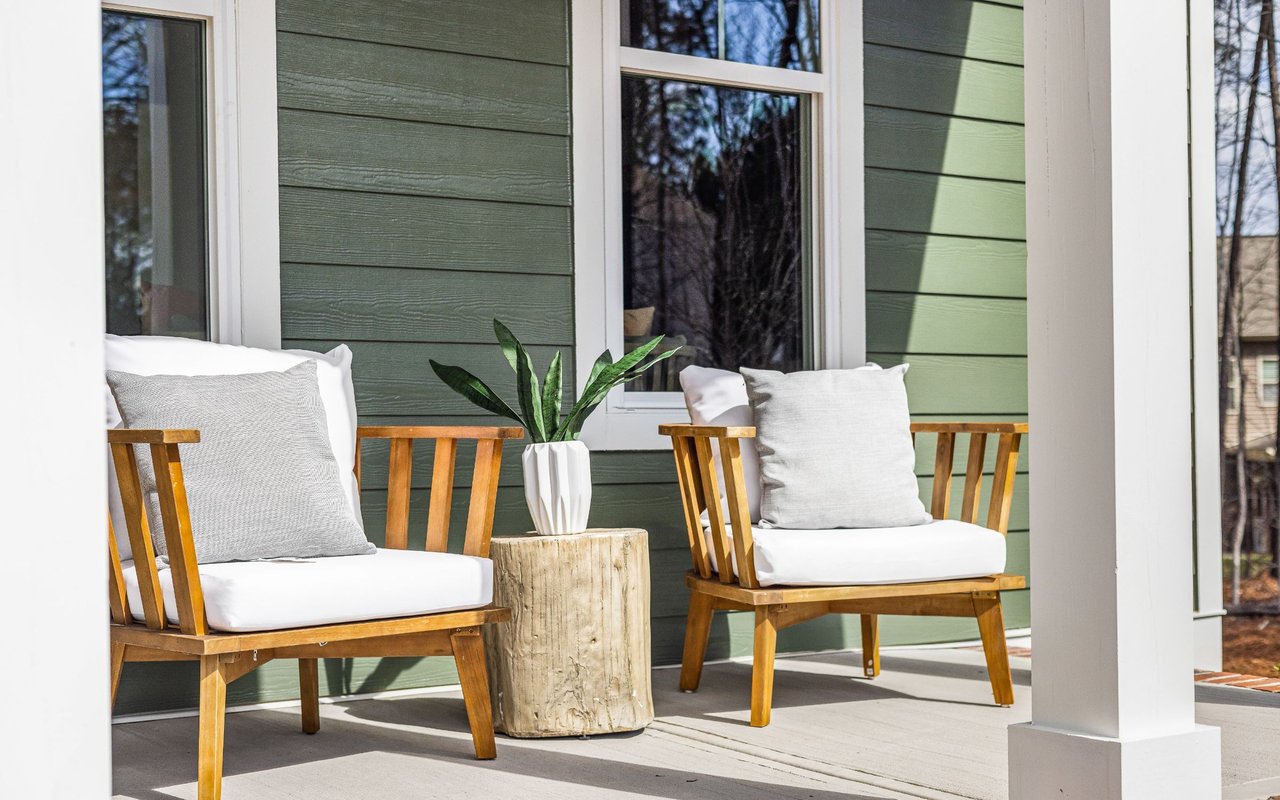
Trying to decide between a condo or a house on Siesta Key? That choice shapes more than your layout and lot size. It affects your maintenance load, monthly costs, insurance setup, rental options, and how you use the property day to day. If you want a clear way to think through the tradeoffs on this barrier island, you’re in the right place. Let’s dive in.
Why property type matters on Siesta Key
Siesta Key is an eight-mile barrier island with distinct areas that feel different from one another. The island includes Siesta Beach, Crescent Beach, Turtle Beach, and Siesta Key Village, with the Village serving as the social hub and the southern stretches generally feeling quieter.
That matters because your property type and your location often work together. A condo near the Village or close to the beach may suit you if you want easier access to restaurants, the sand, and island activity. A house may fit better if you want more privacy and a more residential feel.
Siesta Key also offers free trolley and ride options, which can make car-light living realistic in some areas. Still, parking can be difficult during busy periods, so proximity can play a big role in how convenient your daily routine feels.
Condo vs house ownership basics
At a high level, condos and houses offer two very different ownership experiences. A condo usually gives you a lower-maintenance setup, while a house gives you more direct control over the property.
With a condo, you typically own the interior living space and share ownership of exterior areas and common elements through the association. Florida condominium law places responsibility for maintaining common elements on the association, except for limited common elements that the condo declaration assigns to the unit owner.
With a house, the responsibility shifts much more directly to you. You are usually the one planning for roof replacement, exterior upkeep, landscaping, storm prep, and the ongoing maintenance that comes with detached ownership.
When a condo may be the better fit
A condo can make sense if you want a more hands-off ownership experience. On Siesta Key, that often appeals to second-home buyers and anyone who prefers lock-and-leave convenience.
Monthly condo fees are a major part of that setup. Those fees may cover items like repairs, maintenance, water, sewer, trash, recreational amenities, and reserve funding. That structure can simplify budgeting for shared costs, even though it adds a regular monthly expense.
A condo may also fit well if your ideal Siesta Key lifestyle includes being near the Village or the beach. If you picture walking to dinner, spending time on the sand, or using island transit options more often, a condo can align well with that goal.
Condo advantages to consider
- Lower day-to-day maintenance responsibility
- Shared responsibility for common-area upkeep
- Often a strong fit for second-home ownership
- Potentially easier access to beach and Village areas
- Typically smaller insurance scope than a detached home policy
Condo tradeoffs to watch
- Mandatory association fees
- Possible special assessments
- Less direct control over building-wide decisions
- Need to review association finances, insurance, and reserves carefully
When a house may be the better fit
A house may be the better option if space, privacy, and control matter most to you. Detached ownership usually gives you more say over how the property is maintained and used, subject to any local rules or HOA restrictions that may still apply.
That flexibility comes with more responsibility. Routine home maintenance can include the exterior structure, plumbing, electrical systems, heating and cooling, and other big-ticket components that need attention over time.
On Siesta Key, house buyers also need to think carefully about storm preparation and long-term exterior upkeep. In practical terms, you are usually taking on more direct responsibility for the roof, the exterior envelope, the landscape, and weather-related readiness.
House advantages to consider
- More privacy and separation from neighbors
- More direct control over the property
- No condo association governing common elements
- Better fit for buyers who want a quieter residential setting
House tradeoffs to watch
- More maintenance responsibility
- More direct exposure to repair and replacement costs
- Insurance may be broader and more expensive than condo coverage
- Storm prep is more fully your responsibility
Comparing monthly costs
Many buyers start with price, but the better question is how the full cost structure works over time. A condo and a house can each be a smart purchase, but the monthly expenses are built differently.
For a condo, your recurring costs usually include mortgage principal and interest, property taxes, condo fees, and your own unit-specific insurance. Condo insurance is often less expensive than a single-family homeowners policy, but those savings can be offset by association dues and the possibility of special assessments.
For a house, you may have fewer association-related costs, but you need to self-fund more maintenance and repair items. That can make the monthly picture feel less predictable, especially when larger systems or exterior components age out.
Insurance and storm risk on Siesta Key
Insurance deserves extra attention on Siesta Key because storm risk affects both condos and houses. The difference is often less about whether there is risk and more about how the costs are shared.
For condo owners in Florida, an HO-6 policy generally covers personal property and certain interior building items not covered by the association’s master policy. Florida also requires at least $2,000 of loss-assessment coverage in the HO-6 policy, which matters because owners may be assessed for certain common-area damage when coverage or reserves fall short.
For house owners, a standard homeowners policy typically covers the dwelling, other structures, contents, liability, and loss of use. That gives you direct control, but it also means you carry more direct exposure when major exterior repairs are needed.
Florida guidance also notes that homeowners policies may include separate hurricane deductibles. Flood insurance may be required for many mortgaged properties in Special Flood Hazard Areas, and FEMA has identified South Siesta Key project areas within VE Zone, which is a coastal high hazard area.
Rental flexibility depends on zoning
If rental use is part of your plan, do not assume a condo or house automatically gives you more flexibility. On Siesta Key, zoning plays a major role.
Sarasota County’s rental guide states that residential single-family zoning requires leases of at least 30 days and does not allow short-term rental use. By contrast, barrier-island RMF districts can allow leases under 30 days and short-term rental use.
That means a condo may be the better fit if occasional rental flexibility is important to you, but the exact zoning and the condo documents still control. For a house, zoning can limit shorter stays even if the property itself seems ideal for that use.
Due diligence looks different for each
The smartest choice usually comes down to matching your goals with the right review process. Condo due diligence and house due diligence are not the same.
For a condo, pay close attention to the association and the building, not just the unit. Review the community’s financial stability, insurance, any special assessments, the useful life of major components, inspections, and whether the project is warrantable.
Florida’s 2024 condo rules also matter here. Residential condo buildings three stories or higher are subject to structural integrity reserve study requirements, and budgets adopted on or after December 31, 2024 cannot waive required reserves for covered items.
For a house, focus more heavily on the property’s physical risk and ownership costs. Key items include flood zone status, elevation or storm-surge exposure, roof age, insurance quotes, and any HOA or zoning restrictions that still affect use.
Tax planning for full-time residents
If you plan to make Siesta Key your full-time home, property tax planning matters whether you buy a condo or a house. Sarasota County’s Homestead Exemption can apply to either property type if you legally own the property, occupy it as your permanent residence, establish residency by January 1, and file by March 1.
That means your decision does not need to hinge on homestead eligibility alone. If you are buying as a primary residence, both condos and houses may offer that tax benefit when you meet the county’s requirements.
How to decide between a condo and house
If you are still weighing both options, it helps to come back to how you want to live on Siesta Key. Your best fit often becomes clearer when you focus on lifestyle, risk tolerance, and ownership style.
A condo may be the better match if you want simpler upkeep, easier lock-and-leave ownership, and proximity to the beach or Village activity. A house may be the better fit if you value privacy, direct control, and a more independent ownership experience.
Here is a simple way to think about it:
- Choose a condo if you want lower-maintenance ownership, shared building responsibilities, and possible rental flexibility depending on zoning and condo rules.
- Choose a house if you want more privacy, more space, and more control, and you are comfortable taking on greater maintenance and storm-related responsibility.
The right answer is rarely one-size-fits-all. It depends on whether this is your primary residence, second home, or part-time investment strategy, and on how much day-to-day responsibility you want to carry.
If you want help weighing a specific condo against a specific house on Siesta Key, working through the details early can save you time, money, and stress. When you’re ready to talk through your options, connect with Timothy Perkins.
FAQs
Is a condo or house easier to maintain on Siesta Key?
- A condo is usually easier to maintain because the association handles common elements and many shared maintenance responsibilities.
Are monthly costs more predictable with a Siesta Key condo or house?
- A condo often has more visible monthly costs because of association fees, while a house may have fewer fixed shared fees but more unpredictable repair expenses.
Which property type works better as a second home on Siesta Key?
- A condo often fits second-home buyers well because it can offer a more hands-off, lock-and-leave ownership experience.
Can you use a Siesta Key condo or house as a short-term rental?
- It depends on Sarasota County zoning and, for condos, the association documents, since single-family zoning and barrier-island multifamily zoning allow different rental patterns.
Does homestead exemption apply to both condos and houses on Siesta Key?
- Yes, Sarasota County’s Homestead Exemption can apply to either a condo or a house if you meet the legal ownership, residency, occupancy, and filing requirements.