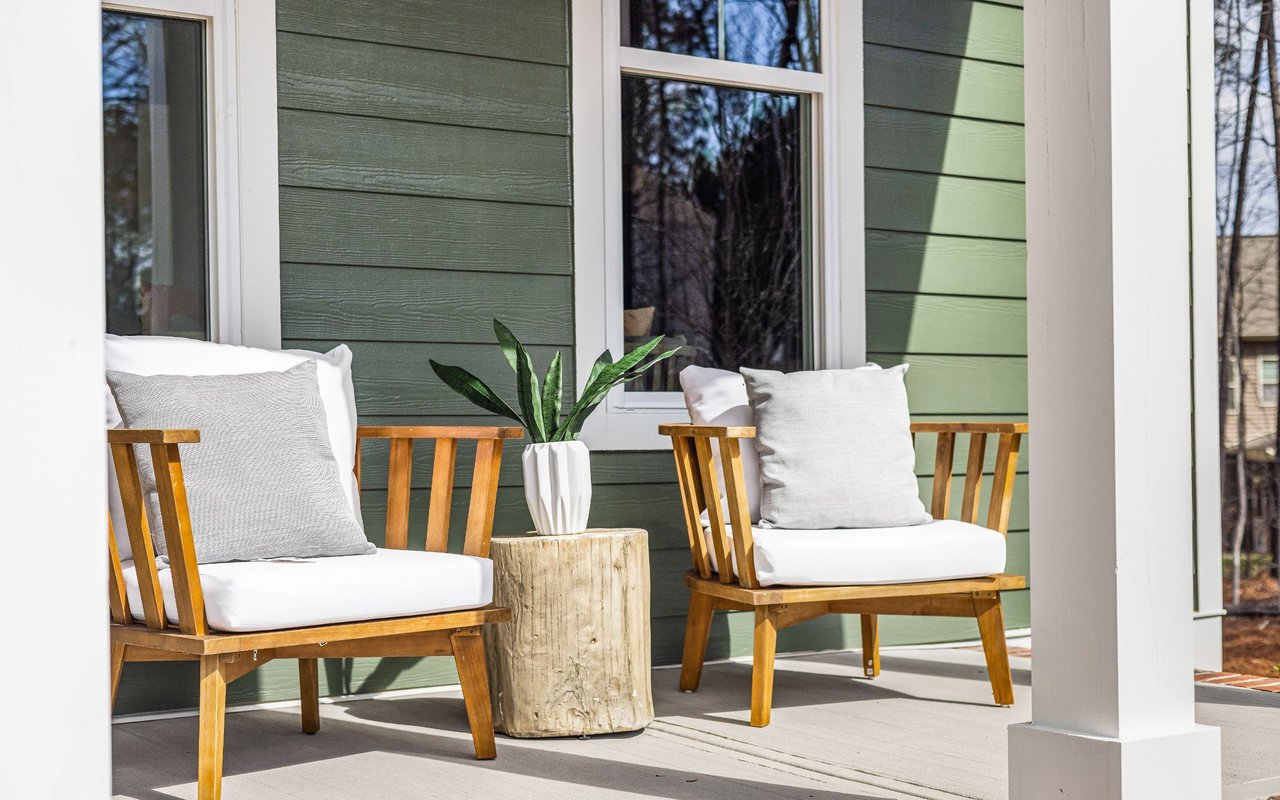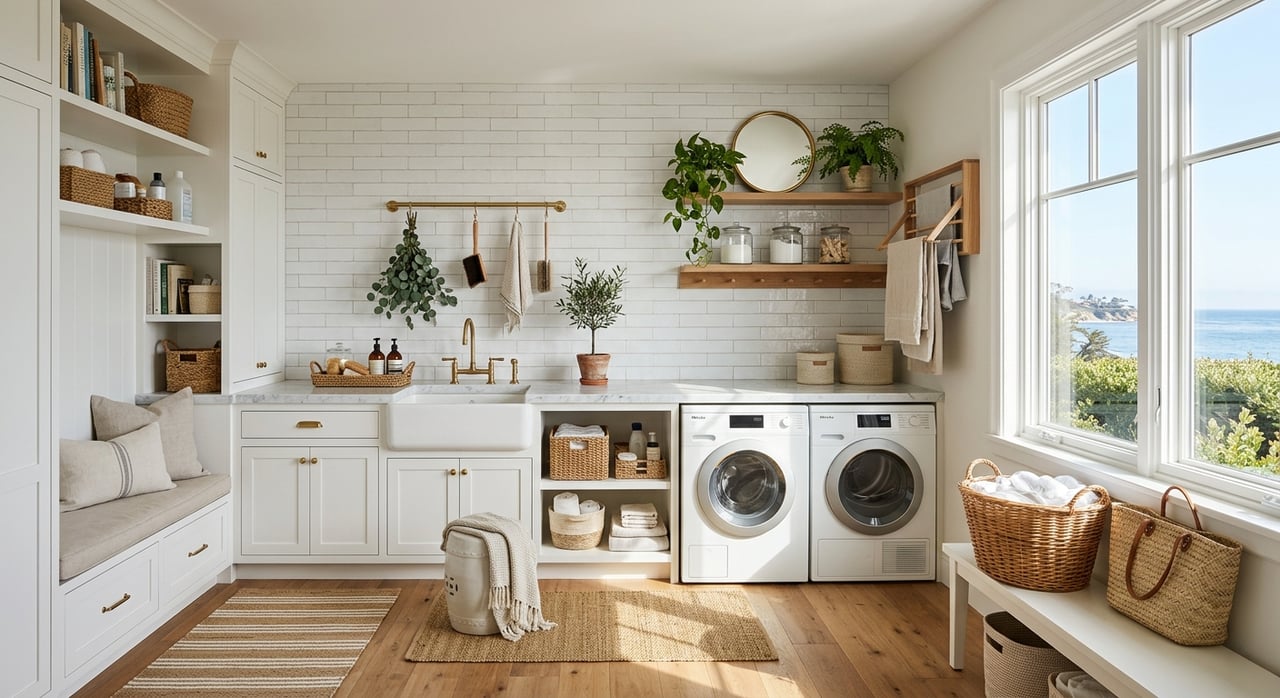
Thinking about a second home in Sarasota County? You are not alone. This part of Florida is built for seasonal living, with the county noting that its population climbs from about 487,640 permanent residents to more than 570,000 in winter. If you want a place for personal use, future retirement, or part-time rental income, the opportunity can be strong, but the details matter. Let’s dive in.
Why Sarasota County Fits Second Homes
Sarasota County has a well-established pattern of part-time and seasonal ownership. That matters because you are buying into a market where second-home use is normal, not unusual.
The county also offers a mix of lifestyles and property types. Planning documents show that the housing inventory is dominated by detached single-family homes, while local market reporting also tracks active condo sales. In other words, you are not limited to one kind of second-home strategy here.
Choose the Right Property Type
Your first big decision is often the property itself. In Sarasota County, detached homes and condos each come with different ownership experiences, costs, and use options.
Detached single-family homes make up nearly six out of 10 housing units in the county. If you want more privacy, outdoor space, or fewer shared-building rules, this type of property may feel like a better fit.
Condos and other association-governed properties can appeal if you want a more lock-and-leave setup. That said, you should expect another layer of due diligence before closing, especially in buildings with shared structural systems and reserve obligations.
Detached Homes Offer Flexibility
A detached home may give you more control over how you use and maintain the property. This can be helpful if your second home will also serve as a long-term retirement plan or family gathering place.
Still, more control usually means more direct responsibility. Yard care, storm prep, exterior maintenance, and code compliance stay on your plate even when you are out of town.
Condos Require Extra Review
For condo buyers, the monthly fee is only part of the story. In Florida, residential condominium and cooperative buildings that are three or more habitable stories high are subject to milestone inspection rules at certain ages, and they must complete structural integrity reserve studies on a recurring schedule.
The Florida Department of Business and Professional Regulation also notes that insufficient reserves can lead to special assessments or association borrowing. Before you buy, review the association budget, reserve funding, inspection status, and recent building records carefully.
Location Changes the Strategy
One of the biggest mistakes second-home buyers make is treating Sarasota County like one uniform market. It is not. A property’s exact location can change how you use it, especially if rental income is part of your plan.
In unincorporated Sarasota County, dwelling-unit rental rules depend on zoning district. On the barrier islands, only certain RMF properties may be rented for fewer than 30 days.
Inside the City of Sarasota, vacation rentals are allowed in residential zoning districts, but the city requires a 7 full day and 7 full night minimum stay and a certificate of registration before advertising or operating. That means two homes a short drive apart can have very different rental options.
Short-Term Rental Rules Vary
If rental income matters to you, confirm the rules before you make an offer. You will want to check whether the property is in the city, unincorporated county, or a barrier island zoning district.
You should also review any HOA or condo restrictions. Even if local government allows a certain use, private association rules may be more restrictive.
Budget Beyond the Mortgage
A second home is not just about the purchase price. Sarasota County buyers should build a budget that reflects the real cost of ownership from day one.
Census QuickFacts reports 280,422 housing units in Sarasota County, an owner-occupied rate of 76.3%, and a median value of owner-occupied housing units of $373,100. Those numbers help frame the market, but your monthly cost picture will depend on taxes, insurance, flood coverage, maintenance, and any association obligations.
Property Taxes Matter
In Sarasota County, property taxes are payable beginning November 1. Early-payment discounts apply at 4% in November, 3% in December, 2% in January, and 1% in February, with the gross amount due by March 31. Unpaid taxes become delinquent on April 1.
That schedule is useful for cash-flow planning, especially if your second home closes late in the year. You will want to understand not just the annual amount, but when the payment comes due.
Homestead Benefits Usually Do Not Apply
Many second-home buyers ask whether they will receive Florida homestead benefits. In most cases, the answer is no unless the property becomes your permanent residence.
Sarasota County guidance explains that the homestead exemption is tied to Florida permanent residence and making the property your permanent home. Save Our Homes protection begins only after homestead is obtained, so second-home buyers should not assume those savings will apply.
Insurance Is a Major Planning Item
Insurance can make or break the numbers on a Sarasota County second home. This is especially true near the coast or in locations affected by flood-zone changes.
County flood-map guidance notes that FEMA issued new flood maps on March 27, 2024. If a property falls into a higher-risk zone, flood insurance requirements and premiums can change.
Flood Risk Should Be Reviewed Early
Sarasota County identifies flooding as its most frequently occurring natural hazard. That makes flood review part of smart purchase planning, not just a box to check before closing.
The county also notes that Special Flood Hazard Areas can trigger mandatory flood-insurance requirements for federally backed mortgages. Even if coverage is not required, you still need to understand the property’s exposure and likely premium.
Do Not Wait on Flood Quotes
Florida’s insurance consumer office says most flood policies in the state are written through the National Flood Insurance Program or the private market. It also says new flood policies generally have a 30-day waiting period before coverage begins.
That is why you should request insurance quotes early in the process. Waiting until the final week can create stress, limit options, and affect your closing plan.
Plan for Vacancy and Upkeep
A second home still needs attention when you are away. In Sarasota County, part-time ownership works best when you treat maintenance like a system, not an afterthought.
The county’s climate is subtropical, with warm, humid summers and about 53 inches of annual precipitation, most of it falling from June through September. That weather pattern can speed up exterior wear, landscaping growth, and moisture-related issues.
Local Code Still Applies
Even if the home sits empty for part of the year, local code rules still apply. Sarasota County’s code-enforcement guide says grass and weeds may not exceed 12 inches, trash containers have placement rules, and certain boats, RVs, and vehicles have storage restrictions.
For many absentee owners, that means lining up regular lawn care, periodic property checks, and a dependable maintenance plan. A well-managed second home is usually less stressful and less expensive over time.
If You Plan to Rent It
Some buyers want a second home that offsets costs with rental income. That can work in Sarasota County, but only if the property and location support that strategy.
For rentals of six months or less, Sarasota County’s tourist development tax is 6%, in addition to the 7% state sales tax in Sarasota County. The tax collector also says owners must check zoning, HOA bylaws, and local business-tax rules.
Know the Taxes and Rules
If you plan to rent, do not assume a booking platform handles everything. The tax collector notes that some platforms collect and remit tourist tax on the owner’s behalf, but not all do.
You should also be careful with homestead status. The county warns that renting a homesteaded property can put the exemption at risk.
A Smart Second-Home Purchase Starts With Questions
The best Sarasota County second-home purchase is not always the one with the best photos or the closest beach access. It is the one that fits how you plan to use it, what you want to spend each month, and what level of risk and management you are comfortable taking on.
Before you buy, ask clear questions about zoning, rental use, flood maps, insurance timing, taxes, association reserves, and off-season maintenance. When you get those answers early, you can shop with more confidence and avoid costly surprises later.
If you are weighing neighborhoods, property types, or rental potential in Sarasota County, working with an advisor who understands both the lifestyle side and the numbers can make the process much easier. When you are ready to talk through your goals, connect with Timothy Perkins.
FAQs
Can you use a Sarasota County home as a short-term rental?
- It depends on the property’s exact location, zoning, and any HOA or condo rules. In unincorporated Sarasota County, most districts require leases of at least 30 days, while some barrier island RMF properties may allow shorter rentals. In the City of Sarasota, vacation rentals in residential districts require a 7 full day and 7 full night minimum stay plus registration.
Does a second home in Sarasota County qualify for homestead exemption?
- Usually no. Sarasota County states that homestead exemption applies to a Florida permanent residence that is your permanent home.
What costs should you budget for with a Sarasota County second home?
- At a minimum, plan for mortgage payments if applicable, property taxes, insurance, possible flood coverage, maintenance, and any condo or HOA fees or assessments.
What should condo buyers review before buying in Sarasota County?
- Review the association budget, reserve funding, milestone inspection status, structural integrity reserve study information, and any recent or possible special assessments.
How much upkeep does a part-time Sarasota County home need?
- Enough to stay ahead of weather, landscaping, and local code requirements. Sarasota County rules still apply when you are away, including limits on grass height and rules for trash containers and certain outdoor storage.